What Property Managers Don’t Always See
Tree health care concerns on commercial properties rarely start when they become visible.
What shows up on the surface (dead limbs, thinning canopies, storm damage) is usually the result of decisions and conditions that have been developing over time. In practice, that’s where tree care actually begins.
At McFall & Berry, our Lorton, Virginia tree division approaches properties differently. Before any recommendations are made, the focus is on understanding the full landscape, how it’s been maintained, how it’s functioning today, and where potential risks may already be developing.
Assessment Before Action
When our team walks a property, the first priority isn’t aesthetics, it’s assessment.
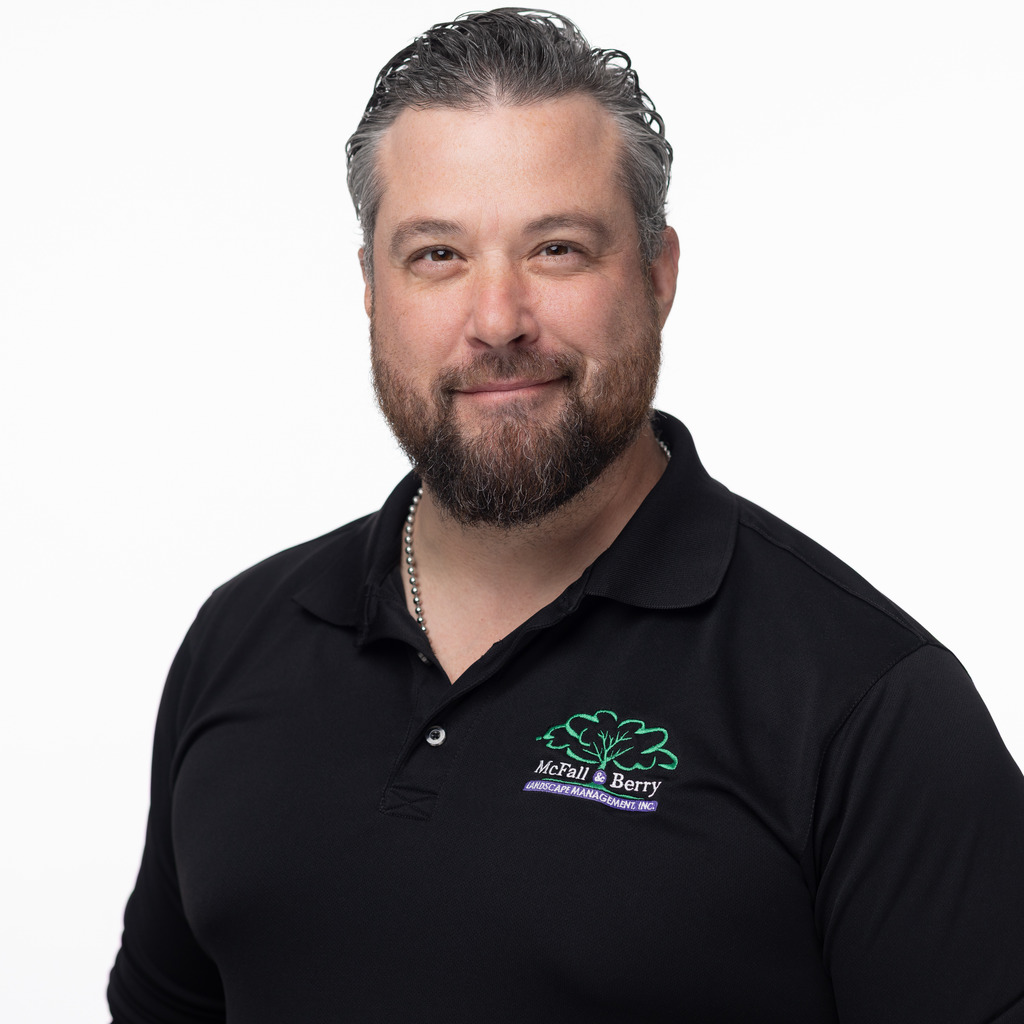
After spending time with our very own Tree Division Manager and ISA Certified Arborist Ryan Ricks, one thing became clear quickly: the process is less about reacting to what’s visible, and more about identifying what isn’t.
Each visit starts with a conversation. Understanding the property manager’s concerns, history, and recurring issues provides context that isn’t always visible from the outside. From there, the evaluation begins with risk. Structural weaknesses, overcrowding, poor tree planting decisions, and early signs of decline are often identified before they become obvious problems.
Why Tree Care Is Often Reactive, and Why It Shouldn’t Be
In many cases, the issues being addressed aren’t new; they’re the result of decisions made years earlier. This is where experience makes the difference.
Canopy management is often approached as a reactive service, but in reality, the most effective work happens long before a tree fails, or a storm exposes a preexisting weakness. Properties that maintain consistent pruning cycles and proactive care rarely face the same level of emergency tree removals or storm-related damage as those that don’t.
Timing plays a critical role as well. Different species respond to tree pruning at different points in their growth cycle, and understanding that timing directly impacts both the health of the tree and the long-term cost of maintaining it. When those cycles are ignored, small issues can develop into larger, more expensive problems over time.
It’s also common to see design decisions that create avoidable challenges like overcrowding: when trees are planted too closely together, species placed too near structures, or growth left unmanaged for too long. These conditions don’t always present immediate issues, but over time they limit the health of the trees, reduce visibility and safety, and increase the likelihood of failure.
Proactive Approach During Storm Events
The same principle applies during storm events. Rather than waiting for calls to come in, our team begins by identifying high-risk or historically impacted areas and assessing them early. That proactive approach helps address potential issues before they escalate into emergencies. Consistency, in these situations also comes down to responsiveness being available when it matters most.
What Tree Work Really Looks Like on Site
One of the most overlooked aspects of tree work is the level of coordination required on-site. From the outside, it can appear straightforward but in practice, it operates more like a system in motion. Every crew member has a defined role, timing is critical, and there is constant awareness of what’s happening both above and below.
“It’s like a dance. There’s nothing like being up there,” says Ryan. “When you’re cutting the top out of a tree and everything’s moving — you feel it.”
Before moving into management, Ryan spent years handling the most physically demanding and high-risk aspects of the job firsthand. That experience continues to shape how work is evaluated and how crews are trained today.
That perspective matters. It means recommendations aren’t made in theory, they’re grounded in an understanding of how the work actually gets done, what’s realistic, and what’s safe. It also influences how teams operate. In an environment where timing and precision are critical, clear leadership and communication are essential.
The Role of Communication and Trust
Beyond the work itself, that same approach extends to client relationships. Strong communication and trust allow teams to respond more effectively, especially when issues arise. In a field where conditions can change quickly, that trust plays a significant role in outcomes. The role of a tree specialist isn’t just to respond to these situations, it’s to recognize them early and provide a path forward before they escalate. That level of coordination doesn’t happen by accident. It’s built through experience, repetition, and leadership that understands the work from the ground up.
At McFall & Berry, clients work directly with the people evaluating their properties. The same individuals identifying potential risks and making recommendations are the ones walking the site, having conversations, and understanding the property firsthand. That connection allows for more accurate assessments, clearer communication, and better long-term outcomes.
Why It Matters for Your Property
Canopy management doesn’t start with a chainsaw; it starts with how a property is understood.
In environments where safety, cost, and long-term planning all intersect, that level of awareness isn’t optional, it’s essential.
For property managers looking to better understand their tree inventory or take a more proactive approach to maintenance, our team works directly with communities across the region to evaluate, plan, and manage long-term tree care.
Learn more about our commercial tree services.
Tree Arborist FAQs
What is an arborist?
An arborist utilizes a deep understanding of tree physiology to diagnose diseases, prescribe long-term care plans, and ensure structural integrity through a health-first approach. Unlike general landscapers, professional tree arborists are trained and certified to understand the biology and structure of trees. They are primarily concerned with tree safety, health, and longevity; and specialize in the diagnosis, treatment, and prevention of tree diseases and pest infestations. By identifying physiological stressors or decay early on, they can implement strategic interventions that avoid tree removals.
Why Consult an Arborist?
The knowledge and expertise of a professional arborist is the most reliable way of maintaining healthy trees and mitigating risks related to tree safety. An arborist can develop a long-term care plan tailored to the specific environment and age of your trees, supporting their natural defense systems and extending their lifespan. This proactive strategy enhances the aesthetic value of your landscape and ensures that your trees remain a functional and beautiful asset for decades.
What are Key Services Provided by Arborists?
Arborists provide a number of specialized services designed to manage tree lifecycle and safety.
- Tree trimming and pruning to improve structure
- Tree planting: ensuring new trees are correctly established in the landscape
- Tree health: diagnosing ailments and tree health management
- Risk assessment: evaluating trees for potential hazards to people or property
When a tree becomes unviable or dangerous, arborists handle tree removal and stump grinding using specialized equipment to safely clear the site. They are also essential first responders during and after storms, acting to clear fallen limbs and stabilize damaged crowns.
What kinds of preventative care do arborists undertake?
A primary focus is soil and root management, which involves aerating compacted soil and applying specialized fertilizers to ensure the tree has the nutrients necessary to thrive. They also utilize structural tree pruning to encourage a strong central leader and stable branch attachments, reducing the risk of failure during extreme weather. Our arborists also perform regular pest and disease monitoring, using their knowledge of local conditions in greater Washington D.C. to identify early warning signs. By applying preventative treatments, they can assure the long-term viability of your trees.
What is the difference between a tree surgeon and an arborist?
A tree surgeon is typically a technician focused on the physical aspects of tree work, such as climbing, cutting trees, and removing limbs; whereas an arborist is a scientist-practitioner and tree expert who manages the overall biological health of the tree.
What is stump grinding?
Stump grinding is necessary for complete stump removal. It’s accomplished by using a high-speed rotating disk with carbide teeth to shred a remaining tree stump into small wood chips. It removes the visible portion of the stump several inches below the ground, allowing the area to be covered with soil or grass.