
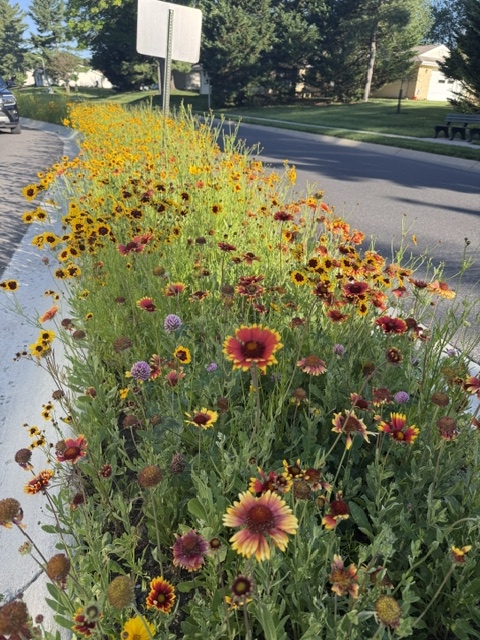
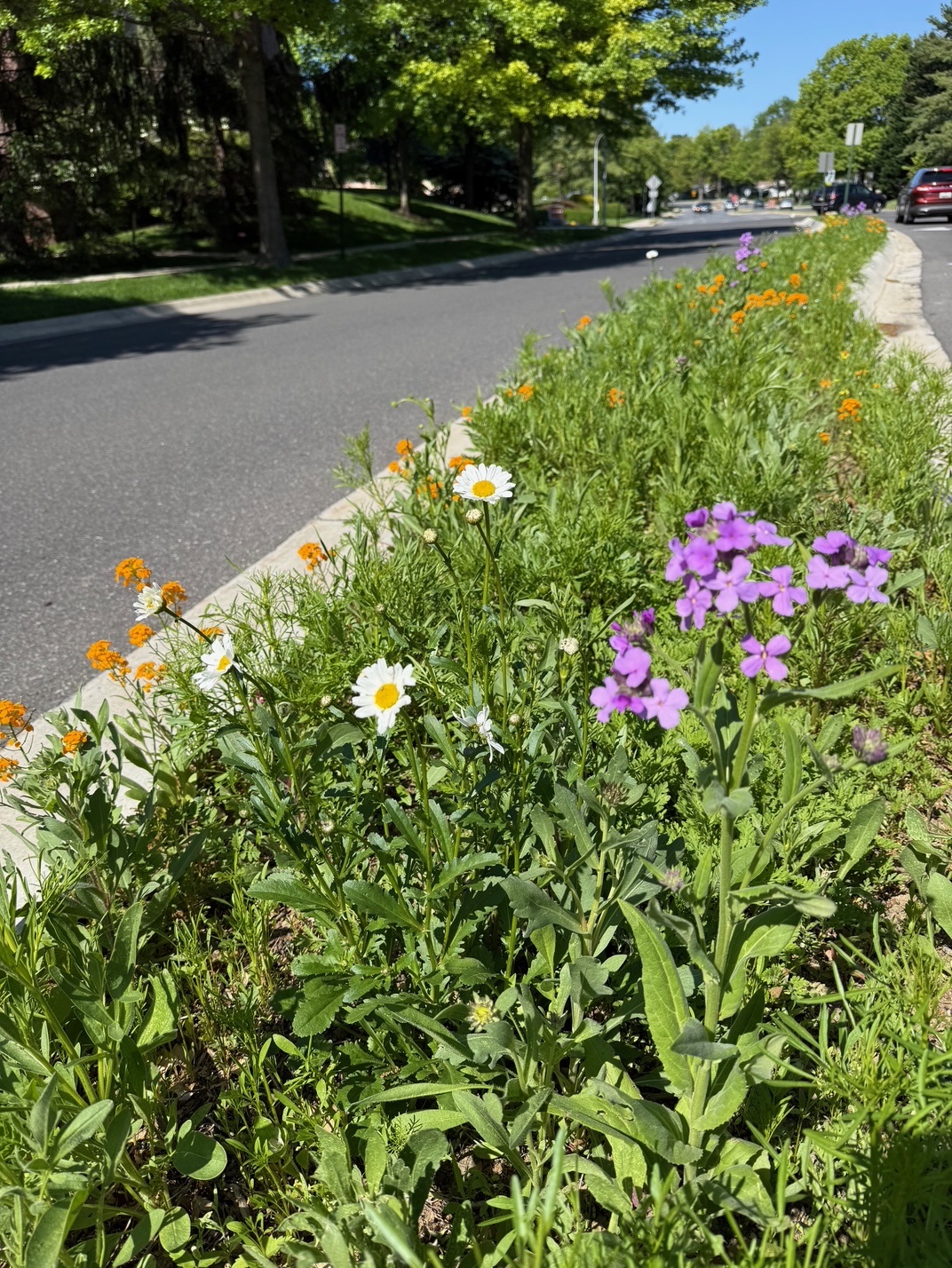
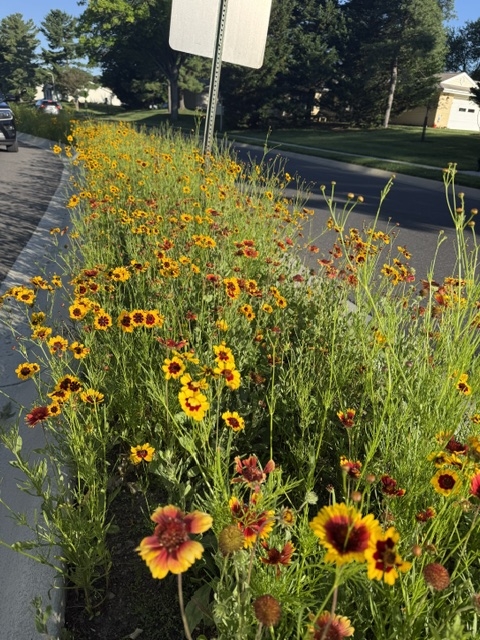
How turning turf medians into wildflowers is changing the way our communities think about landscape.

Across Washington D. C. and Northern Virginia , a small shift in how landscapes are designed is making a meaningful difference for ecosystems, for communities, and for the long-term health of the spaces we all share. Pollinator plantings, once considered a niche enhancement, are quickly becoming a long-term landscape strategy.
What Pollinator Gardens Really Do
Pollinator gardens are intentionally planned to attract and support the native bees, butterflies, hummingbirds, and other essential pollinators that quietly keep our ecosystems running. A vibrant mix of nectar-rich plants, native wildflowers, and seasonally blooming shrubs provide food and shelter throughout the growing season. These pollinators play a crucial role in maintaining healthy habitats and ensuring the continued reproduction of many flowering plants.
Because wildflower mixes are chosen to suit local soil, climate, and wildlife, these plantings naturally use water more efficiently and require far less maintenance over time than traditional turf. They aren’t just practical, eco-friendly spaces. They’re colorful, dynamic landscapes that
evolve with the seasons and stand out in the most rewarding way.
From Turf Strips to Wildflowers: A Story from the Field
The Problem.
At one of the communities we serve, the turf median strips have become a constant source of work. They require weekly mowing, edging, fertilization, weed control, and seasonal overseeding, a heavy maintenance lift for relatively small landscape areas that — even at their
best — looked like, well, turf.
Listening to the Community.
Rather than simply continuing to push more resources into the same routine, the conversation shifted. In discussions with the community, a clear set of priorities emerged: sustainability, native plants, and support for pollinators. People wanted landscapes that reflected those values and spaces that did more than just look maintained.
The Solution.
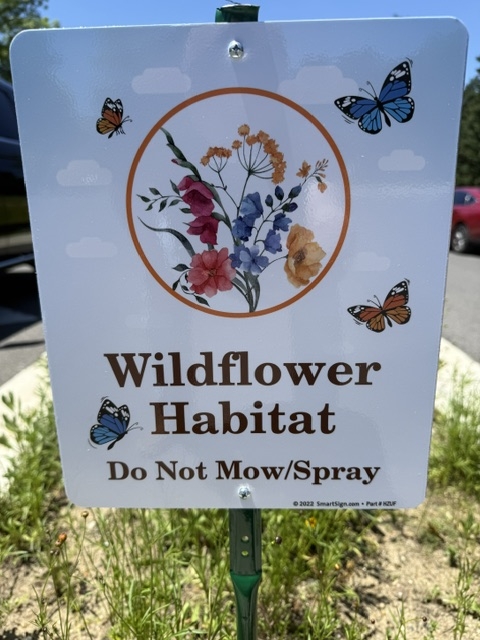
After several planning meetings to align goals and approach, the decision was made to convert the median strips into wildflower and pollinator gardens. Plant selection played a key role, careful research went into identifying wildflower and pollinator seed mixes suited to our regional growing conditions, and the soil was properly prepared before installation to encourage long-term habitat development.
“The goal wasn’t just to create something visually appealing. We wanted to create something sustainable that would continue performing year after year while reducing long-term maintenance requirements.”
— Austin Angles
The result was a landscape that solves the original problem on multiple fronts at once with reduced ongoing maintenance, more seasonal color, and a meaningful contribution to the local pollinator population.
“The wildflowers provide color for much of the year while requiring significantly less maintenance once established. At the same time, they help support pollinators like bees, butterflies, and even hummingbirds throughout the season.”
— Austin Angles
Beauty That Performs
The benefits of these plantings extend well beyond what’s visible at first glance:
- Lower long-term maintenance and operational savings once gardens are established.
- Reduced reliance on chemical fertilizers and less pesticide use.
- More efficient water use thanks to regionally suited native plants.
- Enhanced curb appeal and a stronger sense of community identity.
- Habitat and food sources for native pollinators and other local wildlife.
As sustainability becomes a larger focus across our region, these kinds of landscape improvements offer a practical path forward toward more environmentally conscious practices without sacrificing appearance or functionality.
A Welcome Response
“The response from the community has been overwhelmingly positive. Residents immediately noticed the increase in pollinator activity and seasonal color, and additional pollinator gardens have already been approved for future phases.”
— Austin Angles
Thoughtful landscape management goes beyond seasonal appearance. When implemented strategically, pollinator plantings create landscapes that are visually impactful, more sustainable, and beneficial to the surrounding environment, long-term outdoor spaces designed to flourish for years to come.
Help Spread the Word
Every pollinator garden no matter how small, part of a larger network supports biodiversity in the places we live and work. If this story resonates with you, share it. Send it to a neighbor. Pass it along to someone in your community who cares about the spaces around them. The more people who understand how a simple change to a median or a turf strip can ripple outward into lasting environmental impact, the further these efforts can go. Pollinators are essential. The landscapes that support them can be, too.
Pollinator Garden FAQ
What is a pollinator garden?
A pollinator (or habitat) garden is an area filled with native flowers designed to attract pollinators such as honey bees, butterflies, and hummingbirds. By providing a reliable source of food and shelter, pollinator friendly gardens help reverse declining pollinator habitats and serve as vital sanctuaries that add natural beauty to local communities.
What plants are best for a habitat garden?
The best plants for a habitat garden are native plant species such as milkweed, coneflowers, and black-eyed Susans, because they naturally match the needs of local wildlife. It is ideal to choose plants and perennials that bloom at different times from spring to fall, ensuring a steady food supply.
How do you lay out an eco-friendly garden?
Your garden design should place your tallest shrubs and host plants at the back or center of the area to serve as a natural windbreak. Place your medium-sized garden plants in the middle and your low-growing groundcovers and annuals along the borders. Group the same plant species together in clusters to better attract pollinators, and put host plants next to nectar rich flowers to support caterpillars and butterflies at every stage of their life. To support nesting bees leave a few patches of bare, undisturbed soil and include bee-friendly plants like salvia and bee balm.